
This article belongs to Digital Platforms & Services
Table of Contents
Understanding Web Portfolio Strategy for Modern Professionals
Establishing a professional online presence requires a balanced combination of intuitive visual design, robust underlying architecture, and search engine visibility. For freelancers, consultants, and small business owners, selecting the right content management system (CMS) directly impacts how efficiently potential clients discover and interact with their brand. Platforms like Wix have gained widespread adoption by offering visual drag-and-drop capabilities alongside built-in hosting and infrastructure management.
When examining localized digital profiles, users often encounter direct platform links during navigational searches. For instance, studying specific portfolio queries such as https://it.wix.com simona bertoni illustrates how independent professionals utilise regional subdomains and cloud-based site builders to present their services to local and international markets. This editorial explores the structural, design, and technical considerations required to build an effective digital portfolio on modern web platforms.
Readers researching online platforms and digital publishing can also explore this comprehensive guide to TheAPKNews.shop for an overview of the website and its content.
Evaluating Website Builders for Professional Services

Choosing a website creation platform involves evaluating technical convenience against creative freedom and long-term search engine performance. Modern web software provides hosted ecosystems that reduce the need for manual server management, database maintenance, or custom code compilation. However, strategic decisions must still be made regarding layout hierarchy, performance optimization, and mobile display.
Visual Flexibility versus Technical Performance
Visual site builders provide pixel-level control over page elements, enabling creators to build unique layouts without writing bespoke HTML or CSS. This flexibility allows graphic designers, copywriters, and business consultants to align their website with their visual identity. However, unconstrained visual editing can introduce heavy media assets, redundant script executions, and complex DOM structures that slow down page loading speeds.
To maintain fast loading times and deliver a smooth user experience, site owners should prioritize asset optimization. Compressing images into modern formats like WebP, limiting the number of custom web fonts, and organizing page elements into clean structural containers help maintain fast response times across desktop and mobile browsers.
Businesses that depend on digital platforms can also benefit from understanding online service portals. Explore this guide to mobile recharge portals and digital safety to learn more about their features and considerations.
Regional Subdomains and Localisation Features
Operating in global or multi-language markets requires clear domain structuring. Multi-tenant website platforms often assign regional subdomains based on user language settings or geographic entry points. Analyzing navigational web searches like https://it.wix.com simona bertoni demonstrates the role of localized platform subdomains in establishing regional search context within regional markets such as Italy.
For businesses seeking to target specific geographic regions, platform localization features allow custom language toggles, regional meta tags, and alternate URL structures. Implementing standard hreflang markup ensures search engines index the appropriate language version for users based on their location and browser preferences.
Strategic Platform Comparison: Choosing the Right Solution
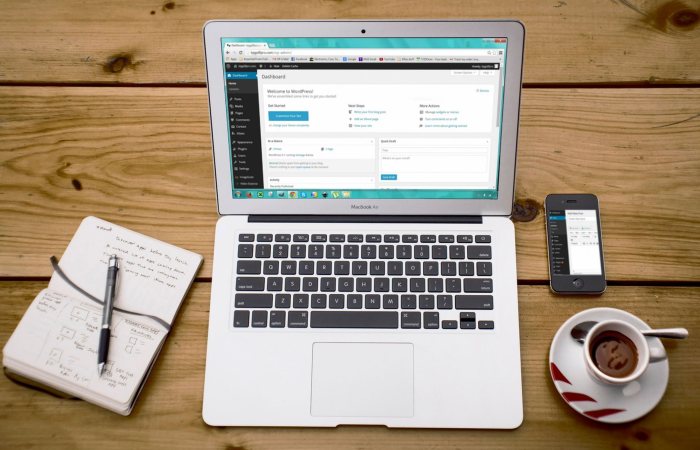
Selecting a website platform depends on organizational resources, technical expertise, and long-term scaling objectives. The following comparison table outlines key functional trade-offs between hosted website builders and self-hosted content management systems for small business portfolios.
| Evaluation Metric | Hosted Visual Builders (e.g., Wix) | Self-Hosted Platforms (e.g., WordPress) | Structured Content Builders (e.g., Squarespace) |
|---|---|---|---|
| Setup Complexity | Low; visual interface with managed hosting and security. | Moderate to High; requires hosting, database configuration, and plugin management. | Low; structured templates with integrated hosting setup. |
| Design Customisation | High visual freedom with unconstrained positioning. | Unlimited potential via custom themes and PHP development. | Moderate; structured grid-based templates. |
| Maintenance Overhead | Minimal; system updates and security managed automatically. | Ongoing; manual updates required for core files, themes, and plugins. | Minimal; infrastructure maintained by platform provider. |
| Technical SEO Control | Built-in meta management, structured data, and auto-generated sitemaps. | Granular control over rewrite rules, schema, and server caching. | Standardized meta settings and automatically managed sitemaps. |
| Cost Structure | Fixed monthly or annual subscription fees. | Variable costs for hosting, domains, premium themes, and plugins. | Fixed monthly or annual subscription tiers. |
When evaluating online tools and services, it is useful to examine how different platforms present information and support users. Read this guide to PNP Coda for more information about the platform.
A Practical Framework for Building a High-Converting Portfolio

Constructing an effective portfolio requires a structured workflow focused on clear navigation, content relevance, and technical stability. Rather than focusing solely on aesthetic elements, business owners should structure their websites around customer journeys and distinct call-to-action paths.
Step 1: Planning Information Architecture
Before selecting templates or uploading media, outline the logical flow of the website. A standard professional portfolio should feature a streamlined structure:
- Home Page: Concise positioning statement, value proposition, and quick links to core services.
- Services / Capabilities: Clear descriptions of offerings, deliverables, and engagement models.
- Case Studies / Portfolio: Demonstrable examples of past work, client testimonials, and measurable outcomes.
- About Page: Professional background, qualifications, methodology, and values.
- Contact Page: Dedicated contact forms, scheduling integrations, and business contact information.
Step 2: Implementing On-Page SEO Essentials
Search engine optimization begins with clear, search-friendly site architecture. When studying live implementations like https://it.wix.com simona bertoni, site owners should observe how metadata and heading hierarchies align with core service offerings. Key on-page optimizations include:
- Title Tags and Meta Descriptions: Assign unique, descriptive titles containing primary target keywords for every page. Keep titles under 60 characters and meta descriptions under 160 characters.
- Heading Hierarchy: Maintain a single H1 tag per page for the main title, followed by logical H2 and H3 subheadings to structure section topics.
- Image Alt Text: Provide accurate, descriptive alt attributes for all project images, aiding both visual accessibility and search engine image indexing.
- Clean URL Slugs: Ensure URL paths are short, readable, and free of unnecessary parameters or auto-generated query strings.
Step 3: Mobile Responsiveness and Testing
A significant portion of website traffic originates from mobile devices. Visual drag-and-drop builders generate mobile layouts based on desktop layouts, but manual adjustments are frequently required to prevent overlapping text, misaligned buttons, or oversized media elements. Testing site builds across multiple screen sizes ensures that touch targets are easily clickable and content remains legible without horizontal scrolling.
Key Takeaways from Real-World Web Profile Searches
Analyzing search queries like https://it.wix.com simona bertoni provides valuable insights into online brand discovery patterns. Modern web users frequently rely on direct search strings, web addresses, or professional portfolio links to verify credentials, evaluate prior projects, and initiate business contact.
For independent practitioners and agency owners, maintaining an updated, technical well-structured web footprint ensures that branded searches lead directly to clean, mobile-optimized destination pages. Combining a clear portfolio structure with simple navigation paths helps convert casual site visitors into qualified business inquiries.
Frequently Asked Questions
Is Wix suitable for professional small business websites and portfolios?
Yes. Modern hosted builders provide built-in security, content management tools, and accessible customization options that suit small businesses, freelancers, and independent consultants requiring a low-maintenance web presence.
How does domain structure impact local SEO performance?
Domain structures communicate geographic focus to search engines. Using country-code top-level domains (ccTLDs) or localized subdomains helps search engines present the correct language and currency versions to users in specific regional markets.
Can I migrate my website portfolio from a hosted builder to another platform later?
Yes, though content migration procedures vary. Text content, images, and visual assets can generally be exported or migrated manually. However, layout structures and specific platform functionalities usually need to be recreated on the new content management system.
How often should a business portfolio be updated?
Portfolios should be reviewed at least quarterly to ensure case studies, contact details, service descriptions, and pricing models reflect current business operations. Regular updates also demonstrate ongoing business activity to prospective clients and search engine crawlers.
Conclusion
Building a successful web portfolio requires balancing visual presentation, clear information architecture, and solid technical performance. Whether examining localized profiles or configuring custom business domains, selecting the right web platform and applying disciplined on-page SEO techniques ensures your digital asset supports long-term commercial goals. By focusing on mobile accessibility, clear messaging, and structured performance optimization, businesses can establish a resilient online presence that effectively attracts and converts target audiences.
Related Guides
Explore more useful resources related to this topic:
- Hospitality Technology and Destination Marketing: Scaling Culinary Tourism in Aruba
- Understanding Mobile Recharge Portals: Analysis, Digital Safety, and Smart Options
- Understanding Regional Digital Media Outlets: An Analysis of haberimvar.com tr and Publishing Tech
- Optimising Enterprise Computing Assets: The Definitive Guide to the pimslapt2154 Workstation Infrastructure
