
Crypto investments refer to allocating money into digital assets that operate on blockchain technology. Unlike traditional investments such as stocks or bonds, cryptocurrencies are decentralized and not controlled by central banks or governments. Investors participate in this market to seek high returns, diversify portfolios, and gain exposure to emerging financial technologies that are reshaping global finance.
Table of Contents
What Is Cryptocurrency?
Cryptocurrency is a digital or virtual form of money secured by cryptography, making it nearly impossible to counterfeit or double-spend. Most cryptocurrencies operate on decentralized networks using blockchain technology—a distributed ledger enforced by a network of computers. Popular examples include Bitcoin and Ethereum, which enable peer-to-peer transactions without intermediaries.
How Crypto Investments Work
Crypto investments work by purchasing digital coins or tokens through exchanges and storing them in digital wallets. Investors can profit through price appreciation, staking rewards, yield farming, or trading. The value of cryptocurrencies is driven by supply and demand, adoption, technology development, and market sentiment. Transactions are verified by blockchain networks, ensuring transparency and security.
Why Investors Are Interested in Digital Assets
| Reason | Explanation |
| High Growth Potential | Cryptocurrencies have shown rapid price appreciation over short periods. |
| Portfolio Diversification | Crypto has low correlation with traditional assets like stocks. |
| Decentralization | Operates without central authority, reducing institutional control. |
| Inflation Hedge | Limited supply coins like Bitcoin can act as protection against inflation. |
| Accessibility | Anyone with internet access can invest globally. |
| Innovation | Supports DeFi, NFTs, and Web3 ecosystems. |
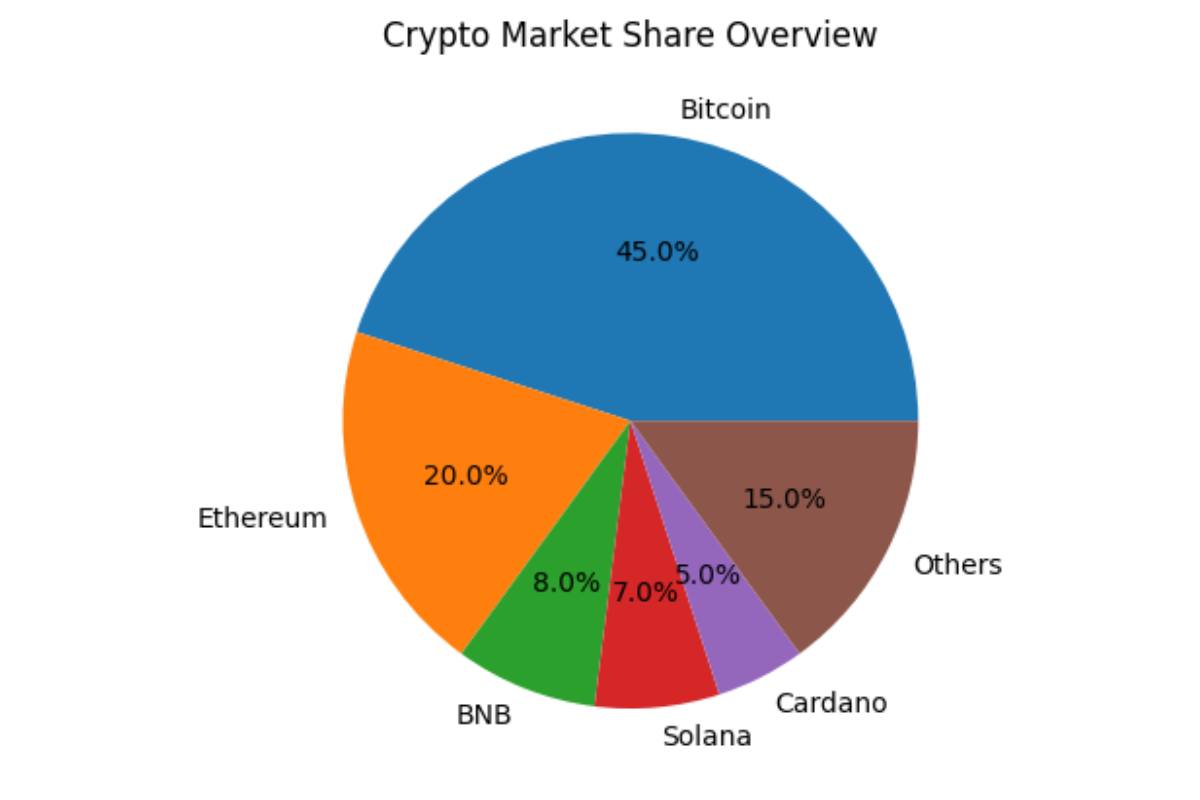
Current Crypto Prices & Market Overview
| Cryptocurrency | Approx. Price (USD)* | Market Cap Rank | Market Trend |
| Bitcoin (BTC) | $40,000–$70,000 | #1 | Market leader, store of value narrative |
| Ethereum (ETH) | $2,000–$4,000 | #2 | Smart contract dominance |
| Binance Coin (BNB) | $200–$600 | Top 5 | Exchange ecosystem growth |
| Solana (SOL) | $80–$200 | Top 10 | High-speed blockchain adoption |
| Cardano (ADA) | $0.30–$1.00 | Top 10 | Research-driven development |
*Prices vary in real time.
Cryptocurrency Specifications
| Feature | Description |
| Blockchain | Distributed ledger recording transactions |
| Wallet | Digital storage for crypto assets |
| Private Key | Secret code proving ownership |
| Mining | Process of validating transactions |
| Staking | Earning rewards for holding coins |
| Smart Contracts | Self-executing agreements on blockchain |
Comparison of Top Cryptocurrencies
| Crypto | Launch Year | Primary Use | Consensus Mechanism | Strength |
| Bitcoin | 2009 | Digital currency | Proof of Work | Security & scarcity |
| Ethereum | 2015 | Smart contracts | Proof of Stake | DeFi & dApps ecosystem |
| Binance Coin | 2017 | Exchange utility | Proof of Staked Authority | Low fees |
| Solana | 2020 | High-speed apps | Proof of History + PoS | Fast transactions |
| Cardano | 2017 | Smart contracts | Proof of Stake | Academic approach |
Investment Strategies in Crypto
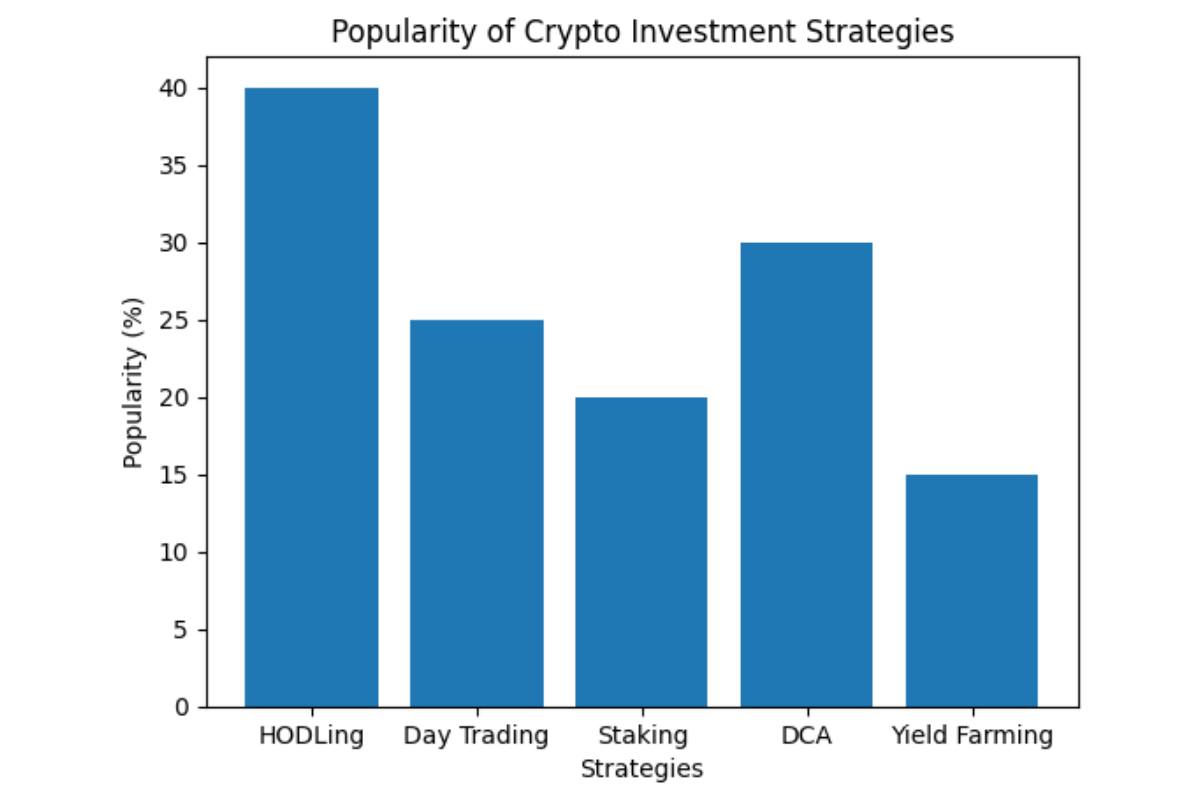
| Strategy | Description | Risk Level |
| HODLing | Long-term holding regardless of volatility | Medium |
| Day Trading | Short-term buying & selling | High |
| Staking | Earn rewards by locking tokens | Low–Medium |
| Dollar-Cost Averaging | Invest fixed amount regularly | Low |
| Yield Farming | Earn returns via DeFi platforms | High |
Pros & Cons of Crypto Investments
| Pros | Cons |
| High return potential | Extreme volatility |
| Decentralized control | Regulatory uncertainty |
| Global accessibility | Security risks & scams |
| Transparent transactions | Technical complexity |
| Innovation opportunities | Market manipulation risks |
Alternative Crypto Investment Options
- Crypto ETFs and index funds
- Blockchain company stocks
- NFT marketplaces
- DeFi lending platforms
- Crypto mining businesses
Where to Buy Cryptocurrency
| Platform | Type | Best For | Source |
| Binance | Exchange | Low fees & variety | https://www.binance.com |
| Coinbase | Exchange | Beginners | https://www.coinbase.com |
| Kraken | Exchange | Security | https://www.kraken.com |
| WazirX | Exchange | Indian users | https://wazirx.com |
| CoinDCX | Exchange | INR deposits | https://coindcx.com |
Real-Time Reviews & Market Sentiment
| Indicator | Current Sentiment |
| Market Trend | Moderately bullish |
| Institutional Adoption | Increasing |
| Retail Interest | Growing in emerging markets |
| Regulatory Outlook | Mixed globally |
| Volatility | High |
Legal & Tax Considerations Worldwide
| Region | Legal Status | Tax Treatment |
| USA | Legal | Capital gains tax |
| EU | Legal | Tax varies by country |
| India | Legal but regulated | 30% tax on gains |
| UK | Legal | Capital gains tax |
| China | Restricted | Trading banned |
Risk Management Tips
Crypto investments require careful risk management due to market volatility and security threats. Investors should diversify holdings, avoid investing more than they can afford to lose, use hardware wallets for storage, enable two-factor authentication, and stay informed about scams and regulatory changes. A disciplined approach helps reduce losses and improve long-term outcomes.
Conclusion
Crypto investments present a transformative opportunity in modern finance, offering high growth potential, financial innovation, and global accessibility. However, they come with risks such as volatility, regulatory uncertainty, and security threats. A well-informed strategy, proper risk management, and a diversified approach can help investors navigate the dynamic crypto market effectively.
Short FAQ
- Is crypto a safe investment?
A. Crypto can be profitable but carries high risk due to volatility and security threats.
- How much should a beginner invest?
A. Start small—typically 1–5% of your investment portfolio.
- Can I lose all my money in crypto?
A. Yes, poor risk management and scams can lead to total loss.
- What is the best crypto for beginners?
A. Bitcoin and Ethereum are considered safer entry options.
- Do I need a wallet to invest?
A. Yes, wallets store your crypto securely and give you control over assets.