
Content marketing is a strategic approach focused on creating and distributing valuable, relevant, and consistent content to attract and retain a clearly defined audience. Instead of direct selling, it builds trust and authority, guiding potential customers toward informed purchasing decisions over time.
Table of Contents
What Is Content Marketing?
Content marketing is the practice of using educational, entertaining, or informative content—such as blogs, videos, podcasts, and social media posts—to engage audiences and promote a brand. Unlike traditional advertising, it prioritizes value delivery and relationship building over immediate sales.
Why It Matters in 2026
In 2026, consumers are more informed and selective than ever. Ad fatigue and privacy regulations have reduced the effectiveness of intrusive advertising. Content marketing thrives because it:
- Builds brand trust in a privacy-first era
- Supports AI-driven search and voice assistants
- Enhances customer experience across digital touchpoints
- Drives organic traffic amid rising ad costs
How Content Marketing Works
Content marketing works by attracting users through valuable content, nurturing them through engagement, and converting them into customers. The process typically includes:
- Audience research
- Content creation
- Distribution across channels
- Engagement & community building
- Performance tracking and optimization
Types of Content Marketing
| Type | Purpose | Example |
| Blog Posts | Educate & drive SEO traffic | How-to guides |
| Videos | Visual engagement | Product demos |
| Social media | Brand awareness | Instagram reels |
| Email Newsletters | Lead nurturing | Weekly updates |
| Podcasts | Authority building | Industry interviews |
| Infographics | Simplify data | Market trends |
Content Marketing Specifications
| Element | Description |
| Target Audience | Defined customer persona |
| Content Format | Text, video, audio, visuals |
| Distribution Channels | Website, social media, email |
| SEO Optimization | Keywords, metadata, backlinks |
| Analytics | Traffic, engagement, conversions |
| Content Calendar | Planned publishing schedule |
Content Marketing Tools & Brands Comparison
| Tool | Primary Use | Best For | Strength |
| HubSpot | Marketing automation | Inbound marketing | All-in-one platform |
| SEMrush | SEO & keyword research | Competitive analysis | Deep insights |
| Canva | Graphic design | Social media content | Easy templates |
| Mailchimp | Email campaigns | Small businesses | Automation features |
| Hootsuite | Social scheduling | Multi-platform posting | Analytics dashboard |
Pros & Cons of Content Marketing
| Pros | Cons |
| Builds long-term trust | Requires consistent effort |
| Cost-effective over time | Slow initial results |
| Improves SEO rankings | Content saturation |
| Supports customer education | Needs skilled creators |
| Multi-channel reach | Hard to measure ROI initially |
How It Differs from Traditional Marketing
| Aspect | Content Marketing | Traditional Marketing |
| Approach | Value-driven | Sales-driven |
| Communication | Two-way engagement | One-way messaging |
| Cost | Lower long-term | High recurring costs |
| Trust | Builds relationships | Interruptive ads |
| Channels | Digital & owned media | TV, print, radio |
Rise of Blogging & SEO (2000–2010)
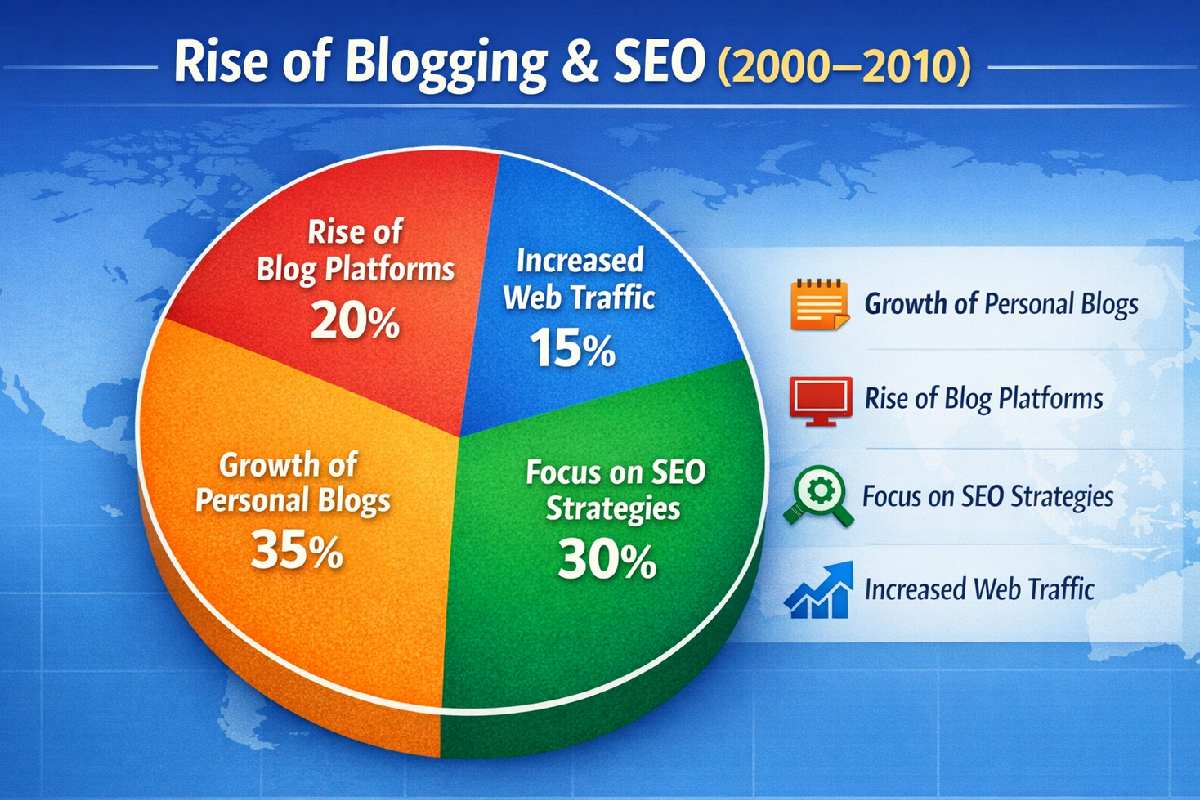
Between 2000 and 2010, blogging platforms and search engines transformed digital marketing. Businesses began publishing blog content to rank on search engines, driving organic traffic. SEO became essential for visibility, marking the foundation of modern content marketing strategies.
Global Adoption Trends
| Region | Adoption Level | Key Drivers |
| North America | Very High | Mature digital market |
| Europe | High | GDPR & trust focus |
| Asia-Pacific | Rapid Growth | Mobile-first users |
| India | Fast Growing | Startup ecosystem |
| Middle East | Emerging | Digital transformation |
Performance Metrics & Graph Analysis of Content Marketing
| Metric | What It Measures | Importance |
| Organic Traffic | Website visitors from search | SEO success |
| Engagement Rate | Likes, shares, comments | Audience interest |
| Conversion Rate | Leads to customers | ROI indicator |
| Bounce Rate | Single-page exits | Content relevance |
| Time on Page | User attention span | Content quality |
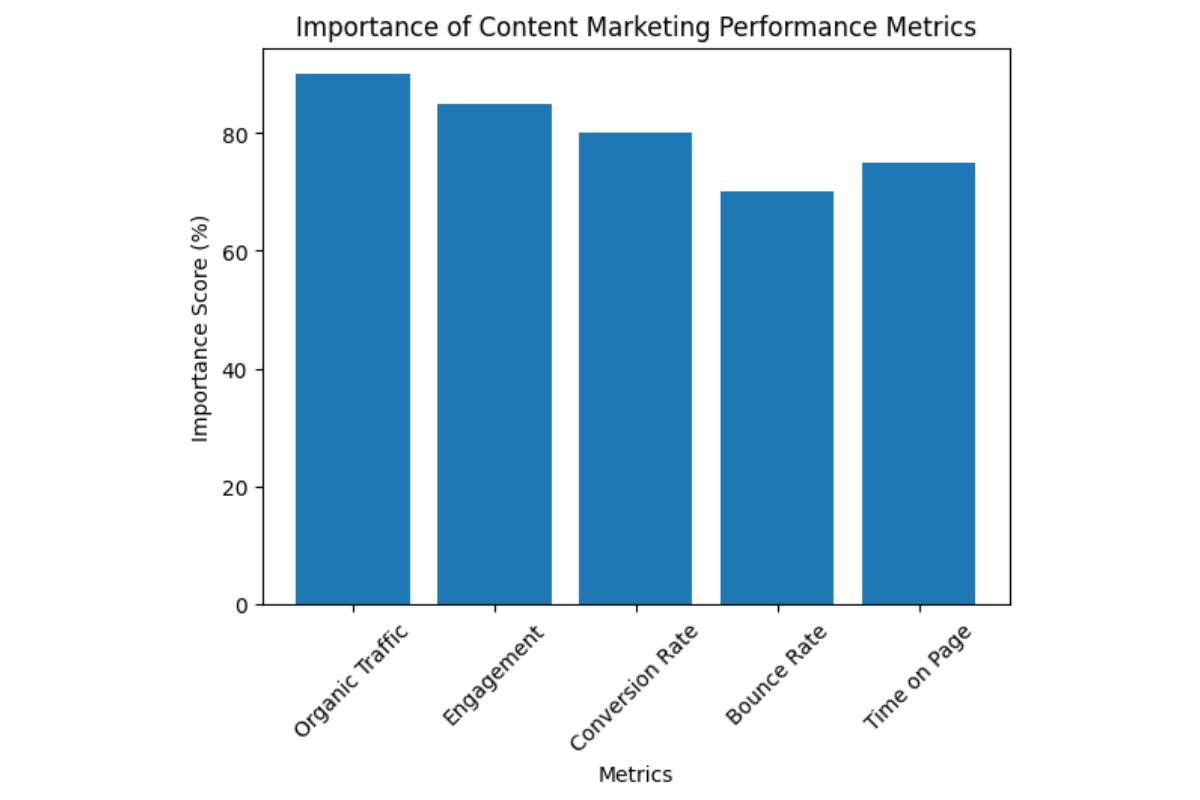
Content Marketing Trends vs Other Marketing Trends
| Trend | Content Marketing | Paid Ads | Influencer Marketing |
| Cost Efficiency | High | Medium | Medium |
| Trust Level | Very High | Low | High |
| Longevity | Long-term | Short-term | Medium |
| ROI Stability | Consistent | Fluctuating | Variable |
Content Marketing Platforms and Agencies
| Platform/Agency | Specialty | Best For |
| WordPress | Blogging & websites | Content publishing |
| Contently | Enterprise content | Brand storytelling |
| Fiverr | Freelance creators | Budget projects |
| Upwork | Hiring experts | Long-term collaboration |
| Neil Patel Digital | SEO & content strategy | Growth marketing |
Future of Content Marketing
The future of content marketing will be shaped by AI-generated content, voice search optimization, interactive media, and hyper-personalization. Brands will rely on data analytics to deliver tailored experiences, while authenticity and human storytelling will remain essential for building trust.
Case Studies with Resource Link
| Brand | Strategy | Result | Resource |
| Red Bull | Extreme sports content | Global brand authority | https://www.redbull.com |
| HubSpot | Educational blogs | Lead generation growth | https://www.hubspot.com |
| GoPro | User-generated videos | Community engagement | https://gopro.com |
Conclusion
Content marketing has evolved into a cornerstone of digital strategy, enabling brands to build trust, improve visibility, and drive sustainable growth. As technology advances and consumer expectations shift, businesses that prioritize valuable, audience-focused content will remain competitive in the evolving marketing landscape.
Short FAQs
- Is content marketing suitable for small businesses?
A. Yes, it is cost-effective and helps build long-term customer relationships.
- How long does it take to see results?
A. Typically, 3–6 months with consistent publishing and SEO.
- What content works best in 2026?
A. Short-form videos, AI-assisted blogs, and interactive content.
- Do I need SEO for content marketing?
A. Yes, SEO ensures your content is discoverable.
- How often should I publish content?
A. At least 1–2 times per week for steady growth.