
Managing a commercial farm during the peak of the harvest season is one of the most intense operational challenges in the agricultural industry. As global supply chains demand higher yields, consistent quality, and rapid distribution to grocery shelves, agribusiness executives and farm owners are under immense pressure to optimize their operations. This requires a delicate balance: integrating sophisticated harvesting technology while simultaneously organizing, managing, and maintaining an efficient, compliant seasonal workforce. Whether managing stone fruit orchards or extensive open-field vegetable operations, the modern agricultural manager must navigate a fast-moving ecosystem where digital recruitment platforms like https://cugid.com/recolectores-de-frutas-y-legumbres intersect with on-the-ground operational logistics.
Agricultural success during harvest season depends on timing, precision, and risk management. Weather patterns can compress picking windows from weeks into days, while consumer expectations for unblemished produce leave very little margin for error. Resources such as https://cugid.com/recolectores-de-frutas-y-legumbres have become critical tools for connecting agribusinesses with qualified seasonal crews across key agricultural regions. However, scaling a harvest operation involves much more than filling labor rosters or purchasing modern machinery. It requires a comprehensive strategy that evaluates crop sensitivity, legal labor compliance, mechanical limitations, and long-term financial viability.
This article belongs to Lifestyle
Table of Contents
The Evolution of Fruit and Vegetable Harvesting Technologies
Agricultural equipment design has advanced significantly over the past two decades. Farm operators now choose from a broad spectrum of harvesting tools, ranging from traditional manual tools and tractor-towed conveyor belts to self-propelled, vision-guided mechanical pickers. Choosing the right machinery depends heavily on the botanical structure and market destination of the crop.
Broadly speaking, harvesting methodologies fall into three distinct categories based on mechanical intensity and handling care:
- Fully Manual Systems: Pickers selectively harvest produce by hand using specialized shears, ladders, and field bags. This method remains essential for delicate crops where visual inspection and precise handling prevent skin tearing, bruising, or stem damage.
- Semi-Mechanized Assist Platforms: Motorized platforms and conveyer booms move alongside workers through field rows. These machines eliminate the need for heavy lifting and long field carries, allowing pickers to concentrate entirely on selection and harvesting speed.
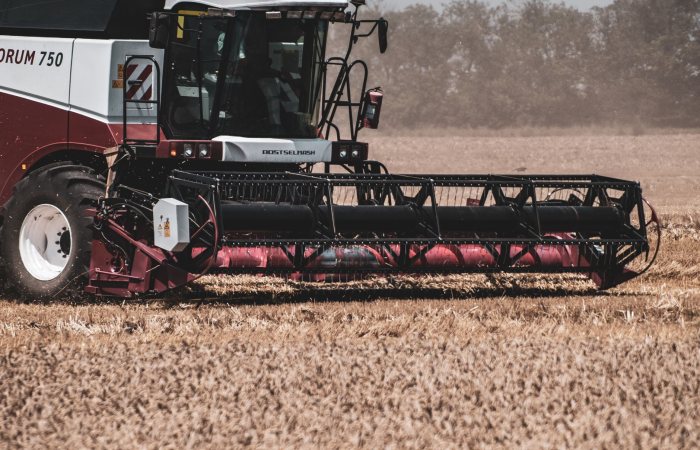
- Fully Automated Harvesters: Large-scale machinery that cuts, digs, or shakes produce directly from plants or soil, passing it through internal sorting belts before loading it into trailered bulk containers.
Mechanised vs Gentle-Handling Gathering Systems
Root crops and hardy vegetables—such as potatoes, carrots, onions, and industrial sugar beets—are naturally suited for heavy mechanization. Specialized mechanical harvesters undercut the soil, lift the root systems, shake off excess dirt, and transport the vegetables via steel conveyors directly into bulk hoppers. Because these root crops possess dense cellular structures and protective outer skins, they tolerate high mechanical forces without suffering internal decay or losing market value.
By contrast, soft-skin fruits like peaches, plums, fresh tomatoes, and delicate berries present far greater operational hurdles. Tree shakers and automated catch-canvas systems work well for processing crops intended for canning, juices, or preserves. However, fresh-market fruit requires precise manual selection. A single bruised piece of fruit can release ethylene gas in a storage container, accelerating decay across entire pallets during long-distance transit.
To address these challenges, equipment manufacturers have developed specialized hybrid equipment. Modern harvest assist systems feature padded catch trays, soft-touch canvas chutes, vacuum-assisted harvesting tubes, and mobile field-sorting belts. These tools minimize human fatigue and streamline field transportation while protecting the physical condition of high-value produce destined for retail produce sections. Knowing when to deploy these systems requires evaluating worker availability on platforms like https://cugid.com/recolectores-de-frutas-y-legumbres alongside capital investment budgets.
| Harvesting Approach | Typical Crop Suitability | Primary Advantages | Main Limitations and Risks |
|---|---|---|---|
| Fully Manual Harvesting | Strawberries, raspberries, table grapes, fresh peaches | Preserves visual appearance; allows selective picking based on ripeness | High dependence on labor availability; higher wage expenses; variable picking rates |
| Semi-Mechanised Platforms | Fresh tomatoes, broccoli, leafy greens, stone fruit | Reduces physical fatigue; increases hourly output per worker | Requires initial capital investment; needs uniform field layouts and wider rows |
| Fully Mechanical Harvesters | Potatoes, carrots, processing apples, industrial olives | Rapid operational speed; minimal hourly labor requirements | Higher risk of crop bruising; significant upfront cost; requires specialized maintenance |
Managing Harvest Operations and https://cugid.com/recolectores-de-frutas-y-legumbres Recruitment
Despite rapid advances in farm machinery, field labor remains the core foundation of fresh produce supply chains. Coordinating seasonal crews during tight harvest windows requires rigorous administrative planning, dynamic scheduling, and reliable labor sourcing channels. Agribusinesses must assemble well-trained teams capable of handling delicate produce quickly and safely under varying weather conditions.
The rise of digital labor portals has transformed seasonal recruitment across the agricultural sector. Online directories like https://cugid.com/recolectores-de-frutas-y-legumbres provide structured communication channels where farm employers can outline job requirements, wages, working conditions, and seasonal timelines directly to potential workers. This direct connection streamlines hiring, reduces reliance on informal labor brokers, and helps maintain a steady workforce throughout peak harvest months.
Evaluating Workforce Portals and Operational Compliance
While digital recruiting platforms make sourcing workers easier, farm managers must establish strict administrative protocols to maintain compliance with regional employment laws, health directives, and safety standards. Utilizing portals such as https://cugid.com/recolectores-de-frutas-y-legumbres requires rigorous internal verification before field operations begin.
Essential compliance check-points for farm operators include:
- Work Authorization Verification: Auditing worker documentation, legal status, and temporary seasonal work visas (such as H-2A in North America or regional work permits in Europe) prior to field placement.
- Contractual Clarity and Wage Transparency: Establishing clear written contracts that detail hourly rates, piece-rate performance incentives, working hours, rest breaks, and overtime policies in the workers’ primary language.
- Health, Safety, and Hygiene Protocols: Providing well-maintained field amenities, shade structures, clean drinking water stations, protective gear, and mandatory safety training for equipment operators.
- Logistical Support and Housing Infrastructure: Arranging safe field transportation, comfortable living quarters, and structured onboarding protocols to encourage high seasonal retention and multi-year returning crews.
Farms that prioritize transparent labor practices build stronger, more reliable workforces. By combining organized management with active recruitment channels like https://cugid.com/recolectores-de-frutas-y-legumbres, farm owners reduce costly turnover, improve picking efficiency, and avoid regulatory compliance penalties.
Strategic Financial and Operational Frameworks for Agribusinesses

Deciding between human labor, mechanization, or a hybrid strategy requires a balanced financial analysis. Agribusiness leadership must balance upfront capital investments against ongoing operational expenses while accounting for market volatility and potential yield losses.
Cost Breakdown and Investment Evaluation
Determining the real cost of a harvest operation involves much more than hourly wages or equipment purchase prices. A complete financial assessment must include equipment depreciation, fuel consumption, routine mechanical upkeep, insurance, transport, housing stipends, and recruitment fees associated with sourcing teams via https://cugid.com/recolectores-de-frutas-y-legumbres.
For high-value fresh crops, manual labor often proves more cost-effective than premature mechanization. A fully mechanical harvester that bruises 10% of a premium apple crop can eliminate profits, whereas trained manual pickers recruited through https://cugid.com/recolectores-de-frutas-y-legumbres safeguard crop quality, ensuring maximum value at distribution centers.
A Four-Step Decision Matrix for Farm Managers
To select the ideal operational model for their fields, agricultural administrators can apply a structured four-step evaluation matrix:
- Crop Vulnerability Assessment: Categorize harvest volume based on market destination. Produce sold fresh to retail consumers justifies manual or hybrid harvesting methods, while produce bound for processing plants yields higher returns under full mechanization.
- Labor Availability and Cost Mapping: Evaluate local labor trends, regional minimum wage changes, and recruitment expenses across portals like https://cugid.com/recolectores-de-frutas-y-legumbres to construct accurate operational budgets.
- Field Infrastructure Audit: Examine row widths, canopy structures, field gradients, and soil density. Machinery requires specific field layouts to operate safely without compacting soil or damaging crops.
- Risk Buffer Calculation: Maintain contingency funds to manage operational delays caused by unexpected rain, equipment breakdowns, or supply chain disruptions during critical harvest windows.
Frequently Asked Questions
How can farm managers effectively utilize https://cugid.com/recolectores-de-frutas-y-legumbres for seasonal staffing?
Farm operators can use https://cugid.com/recolectores-de-frutas-y-legumbres to connect directly with seasonal agricultural workers, post transparent job offers detailing wages and working conditions, and plan their workforce needs ahead of peak harvesting cycles.
What are the primary hurdles when transitioning to automated fruit harvesting systems?
The main challenges include substantial initial capital investment, potential crop damage on delicate fresh produce, and the need to redesign field layouts, row spacing, and pruning techniques to accommodate heavy machinery.
Why does delicate fresh produce still depend on manual pickers?
Soft fruits like strawberries, cherries, and table grapes bruise easily under mechanical pressure. Experienced hand pickers possess the visual judgment and tactile sensitivity required to harvest ripe fruit without damaging adjacent unripened produce or fragile vines.
How do farm operators verify legal compliance when onboarding seasonal workers?
Operators must review work permits, cross-reference seasonal labor registries, provide written contracts adhering to local employment standards, and ensure proper field amenities, health, and safety protocols are in place before work begins.
Conclusion
Achieving peak operational efficiency in fruit and vegetable harvesting requires a balanced approach that pairs modern technological tools with structured workforce management. While advanced machinery continues to revolutionize field operations for hardy processing crops, skilled manual labor remains essential for delivering top-quality fresh produce to retail markets. By utilizing recruitment portals like https://cugid.com/recolectores-de-frutas-y-legumbres, maintaining strict legal compliance, and applying clear financial evaluation frameworks, modern agribusinesses can build resilient, highly adaptable harvest operations capable of thriving in a competitive global market.
Related Guides
Explore more useful resources related to this topic:
- Understanding Digital Promotional Mechanics: Bonus Codes, Referral Bridges, and Platform Verification
- Comprehensive Guide to Inspecting and Managing geoaxon.com DNS Records
- FundPrizes Com Guide: How Online Reward Portals Work and Safety Tips
- Finding and Verifying the Juan Valdez Coffee Turkey Support Channels: A Complete Guide
